The Impact of Automation & Robotics on Job Market: A Deep Dive into the Future of Work In recent years, the rapid advancement in automation and robotics technology has profoundly reshaped va.
braziltechtoday.comBrazil tech news and digital trends.
“The Impact of Automation & Robotics on Job Market: A Deep Dive into the Future of Work”
Updated: April 8, 2026
The Impact of Automation & Robotics on Job Market: A Deep Dive into the Future of Work
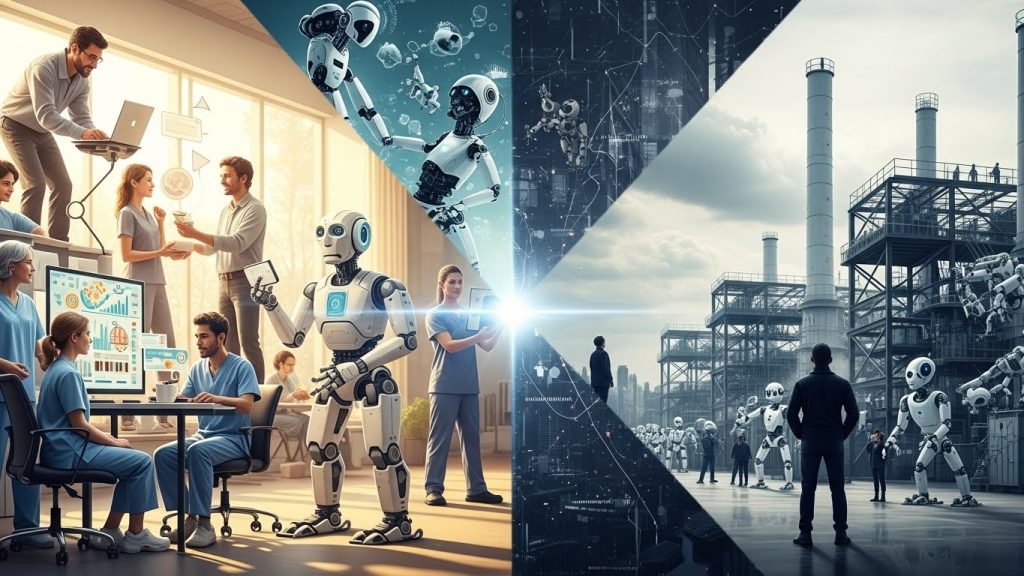
In recent years, the rapid advancement in automation and robotics technology has profoundly reshaped various industries. These technologies promise increased efficiency and productivity, but they also raise significant concerns about the future of work. As we delve into the impact of these technologies on the job market, it’s essential to understand both the opportunities and challenges they present.
The Rise of Automation and Robotics
Automation and robotics have seen a meteoric rise, driven by breakthroughs in artificial intelligence, machine learning, and advanced manufacturing techniques. These advancements have enabled machines to perform tasks that were once thought to be exclusive to humans, ranging from simple repetitive actions to complex decision-making processes.
Industries such as manufacturing, logistics, and customer service have been at the forefront of adopting these technologies. For example, in manufacturing, robotic arms and conveyor systems have greatly improved efficiency and output, reducing the need for manual labor. Similarly, in logistics, automated guided vehicles (AGVs) and drones are revolutionizing the supply chain, offering faster and more reliable delivery services.
Potential Job Displacement
One of the most discussed impacts of automation and robotics is the potential displacement of jobs. As machines become more capable, there is a growing concern that they will replace human workers, leading to widespread unemployment. This fear is particularly prevalent in sectors that rely heavily on routine and manual tasks.

For instance, autonomous vehicles pose a threat to jobs in the transportation sector. Truck drivers, delivery personnel, and taxi drivers may find their roles at risk as companies invest in self-driving technology. Furthermore, automated customer service systems, like chatbots, are replacing traditional roles in customer support, enabling businesses to handle more inquiries with fewer human agents.
Transformation of Job Roles
While automation and robotics may displace some jobs, they also have the potential to transform existing roles. Instead of eliminating jobs, technology often changes the nature of work, requiring workers to adapt to new tools and processes. This transformation can lead to the creation of new roles that were previously unimaginable.
For example, in the healthcare sector, automation is enabling more precise surgeries and diagnostics, allowing medical professionals to focus on more complex and patient-centered tasks. Similarly, in the finance industry, automation of data entry and analysis is freeing up professionals to engage in strategic planning and decision-making.
Moreover, the rise of digital platforms and gig economy jobs is reshaping how people work. Freelance and remote work opportunities have increased, thanks to platforms like Upwork and Fiverr, allowing individuals to offer their skills in a flexible and decentralized manner.
The Skills Gap Challenge
As the job market evolves, there is a growing need for workers to acquire new skills to remain relevant. The skills gap—the disparity between the skills workers possess and those required for new job roles—is a major challenge. To address this, both individuals and organizations must prioritize lifelong learning and upskilling.
Educational institutions and businesses are increasingly collaborating to provide training programs and resources to help workers transition into new roles. Online learning platforms, such as Coursera and edX, offer courses in emerging technologies like AI, data science, and robotics, ensuring that workers can access the knowledge they need to succeed in a tech-driven job market.
The Role of Policy and Regulation
Governments play a crucial role in managing the transition to an automated workforce. Developing policies that support workers during this transition is essential to mitigate the negative impacts of job displacement. This includes initiatives like unemployment benefits, retraining programs, and incentives for companies that invest in human capital development.
Furthermore, regulatory frameworks must be updated to address the ethical and societal implications of automation. Issues such as data privacy, security, and the ethical use of AI must be carefully considered to ensure that technology serves the public good.
Opportunities for Economic Growth
Despite the challenges, automation and robotics offer significant opportunities for economic growth. By increasing productivity and efficiency, these technologies can drive innovation and competitiveness on a global scale. Countries that successfully integrate automation into their economies are likely to experience substantial economic benefits.
For businesses, automation can lead to cost savings, improved quality, and faster turnaround times. This can enhance customer satisfaction and open up new markets and revenue streams. Additionally, automation can enable companies to scale their operations without proportionally increasing labor costs, making them more competitive in international markets.
Conclusion: Embracing the Future of Work
The impact of automation and robotics on the job market is complex and multifaceted. While these technologies may pose challenges, they also offer immense opportunities for innovation and growth. By embracing change and investing in human capital, individuals and organizations can thrive in the evolving landscape of work.
As we move forward, it is crucial to foster a culture of continuous learning and adaptability. By doing so, we can ensure that the workforce is prepared for the future and can harness the full potential of automation and robotics. With the right strategies in place, we can transform the challenges of automation into opportunities for a more prosperous and inclusive economy.
Strategies for Successful Integration
To successfully integrate automation and robotics into the workforce, strategic planning and proactive measures are essential. Businesses need to adopt a forward-thinking mindset and prepare for the changes that these technologies will bring. This involves several key strategies:
- Investment in Employee Training: Organizations should invest in training programs that help employees acquire the skills needed for new technologies. This includes technical skills related to operating and maintaining automated systems, as well as soft skills such as problem-solving and adaptability.
- Collaboration with Educational Institutions: Companies can partner with universities and vocational schools to create curricula that align with industry needs. By doing so, they ensure that graduates are equipped with relevant skills and ready to enter the workforce.
- Redesign of Job Roles: Businesses should evaluate and redesign job roles to complement automated processes. This may involve shifting employees to roles that require human creativity, judgment, and emotional intelligence, areas where machines are currently limited.
- Focus on Innovation: Encouraging a culture of innovation can help companies stay competitive. By fostering an environment where new ideas are valued and explored, businesses can develop unique solutions and maintain a competitive edge in a rapidly changing market.
Case Studies: Automation in Action
To better understand the impact of automation and robotics, it’s helpful to examine real-world examples where these technologies have been successfully implemented:
Amazon’s Fulfillment Centers: Amazon has been a leader in the use of robotics within its fulfillment centers. The company employs a fleet of robots that assist in tasks such as sorting, packing, and transporting goods. This automation has significantly reduced order processing times and improved accuracy, illustrating the potential benefits of robotics in logistics.
Tesla’s Manufacturing Facilities: Tesla’s automotive production lines are heavily automated, featuring advanced robotics that handle tasks from welding to painting. This integration of robotics has allowed Tesla to increase production rates and maintain high quality, demonstrating how automation can revolutionize manufacturing.
Healthcare Innovations: In the healthcare sector, robotic-assisted surgeries are becoming more commonplace. Systems like the da Vinci Surgical System enable surgeons to perform minimally invasive procedures with greater precision and control. This technology is enhancing patient outcomes and exemplifying the transformative power of robotics in medicine.
The Ethical Considerations of Automation
While automation and robotics offer many benefits, they also raise important ethical considerations. As machines take on more responsibilities, questions about accountability, fairness, and the potential for bias become increasingly relevant.
Accountability and Transparency: It is crucial to establish clear guidelines on who is responsible when automated systems fail or make errors. Transparency in how these systems operate can help build trust and ensure that they are used ethically.
Bias and Fairness: AI and machine learning algorithms can inadvertently perpetuate biases present in the data they are trained on. Ensuring that these technologies are developed and deployed fairly requires careful monitoring and intervention to prevent discrimination.
Impact on Human Interaction: As automation becomes more prevalent, there is a risk of reducing human interaction in various fields. This can affect customer service, healthcare, and other sectors where personal connection is vital. Balancing efficiency with the human touch is essential to maintaining quality service and care.
Looking Ahead: The Future of Work
The future of work is being shaped by automation and robotics, and while there are challenges to address, there are also exciting possibilities on the horizon. As technology continues to evolve, it opens up opportunities for new industries and job roles that we have yet to imagine.
Embracing this change requires a collective effort from businesses, educational institutions, governments, and individuals. By working together, we can create a future where automation enhances human capabilities rather than replacing them. Through innovation, flexibility, and a commitment to lifelong learning, the workforce can thrive in an automated world.
Ultimately, the impact of automation and robotics on the job market will depend on how we choose to navigate this transition. By prioritizing human well-being and ensuring equitable access to opportunities, we can harness the full potential of these technologies to create a more prosperous and inclusive society.